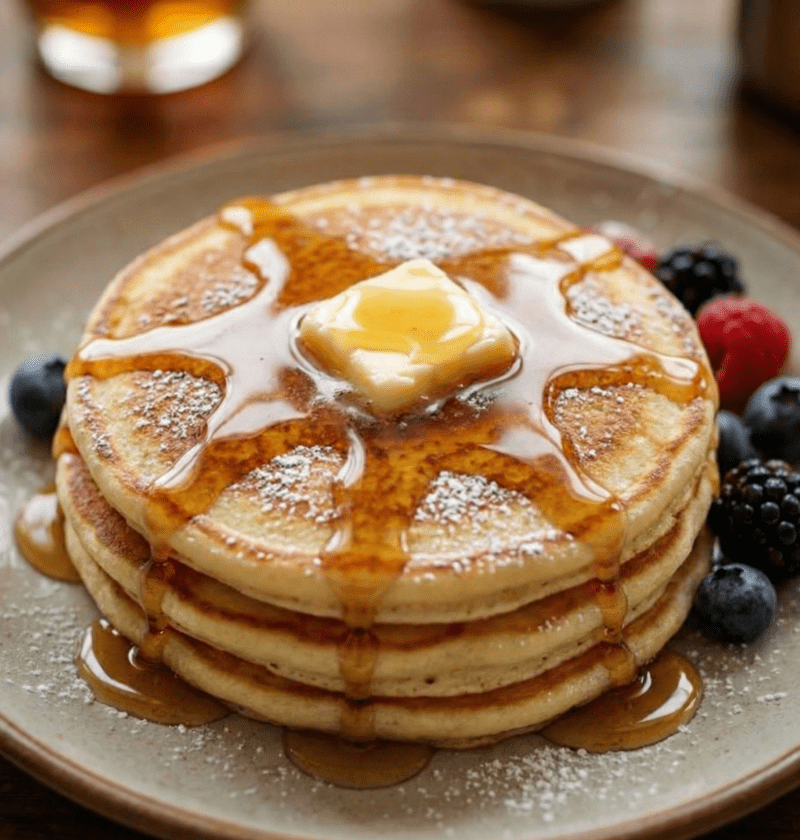
Soft, fluffy, and gently golden, these classic drop scones are a much-loved British teatime treat. Lightly sweet with a tender crumb, they sit somewhere between a pancake and a scone, making them perfect for breakfast or an afternoon nibble. This is a simple, beginner-friendly recipe that comes together quickly with everyday ingredients. From start to finish, you can have a warm batch on the table in about 25 minutes.
Ingredients
For the Drop Scones
- 175g self-raising flour
- 1 tsp baking powder
- 40g caster sugar
- 1 large egg
- 150ml milk
- 1 tbsp melted butter, plus extra for cooking
To Serve (Optional)
- Butter
- Strawberry jam or raspberry jam
- Honey or golden syrup
How to Make Mary Berry Drop Scones (Scotch Pancakes) Recipe
- Prepare the Pan: Lightly grease a heavy-based frying pan or griddle with a little butter and place it over a medium-low heat. Allow it to warm gently while you prepare the batter.
- Mix the Batter: Sift the self-raising flour and baking powder into a mixing bowl, then stir in the caster sugar. Make a well in the centre and add the egg, milk, and melted butter. Whisk until you have a smooth, thick batter that drops easily from a spoon.
- Cook the Drop Scones: Spoon small rounds of batter into the warm pan, allowing space for spreading. Cook for about 1 to 2 minutes until bubbles appear on the surface and the underside is golden. Flip carefully and cook for a further 1 minute until risen and cooked through.
- Keep Warm and Serve: Transfer the cooked drop scones to a plate and cover loosely with a clean tea towel while you finish the rest. Serve warm with butter and your favourite topping.

Tips
Why are my drop scones flat?
This usually means the pan was too hot or the raising agents were out of date. Keep the heat moderate and always check your baking powder is fresh.
How thick should the batter be?
The batter should be thick but spoonable. If it feels too stiff, add a tablespoon of milk at a time until it drops easily.
How do I stop them burning?
Cook over a medium-low heat and wipe the pan with kitchen paper between batches to remove excess butter.
Serving Suggestions
- Spread with butter and strawberry jam
- Drizzle with honey or golden syrup
- Serve with fresh berries and a dollop of cream
Storage
Room Temperature
Drop scones are best eaten fresh but will keep in an airtight container for up to 24 hours.
Refrigerator
Store in the fridge for up to 2 days and reheat gently in a dry pan before serving.
Freezing
Freeze fully cooled drop scones for up to 2 months. Defrost at room temperature and warm through before serving.
Nutrition
- Calories: 145 kcal
- Carbohydrates: 22g
- Protein: 4g
- Fat: 4g
- Saturated Fat: 2g
- Sodium: 180mg
Nutritional values are estimates and may vary depending on ingredients used.
FAQs
What are drop scones also called?
Drop scones are commonly known as Scotch pancakes, especially in Scotland and across the UK.
Can I make these without sugar?
Yes, you can reduce or omit the sugar for a more savoury drop scone, though the texture will be slightly less tender.
Can I use plain flour instead?
Yes. Use plain flour and increase the baking powder to 2 teaspoons to achieve the same rise.
Can I make the batter ahead of time?
The batter is best used fresh, but it can be rested for up to 30 minutes if needed. Stir gently before cooking.
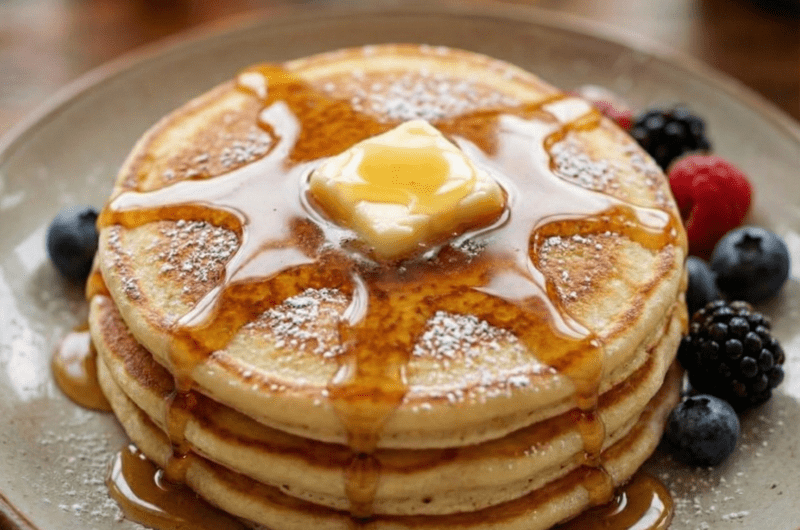
Mary Berry Drop Scones (Scotch Pancakes) Recipe
Course: BreakfastCuisine: BritishDifficulty: Easy4
servings30
minutes40
minutes300
kcal1
hour10
minutesSoft and fluffy British drop scones, lightly sweet and perfect served warm with butter and jam.
Ingredients
175g self-raising flour
1 tsp baking powder
40g caster sugar
1 large egg
150ml milk
1 tbsp melted butter
Directions
- Heat a lightly greased frying pan over medium-low heat.
- Mix flour, baking powder and sugar in a bowl.
- Whisk in egg, milk and melted butter until smooth.
- Spoon batter into the pan in small rounds.
- Cook until bubbles form, flip and cook until golden.
Notes
- Cook over gentle heat for best rise.
- Batter should be thick but spoonable.
- Freeze cooked drop scones for up to 2 months.